top of page
Building Thriving Communities
What does an ideal community look like?

Healthy Options

Walkable & Bikeable Paths

Safe Transportation
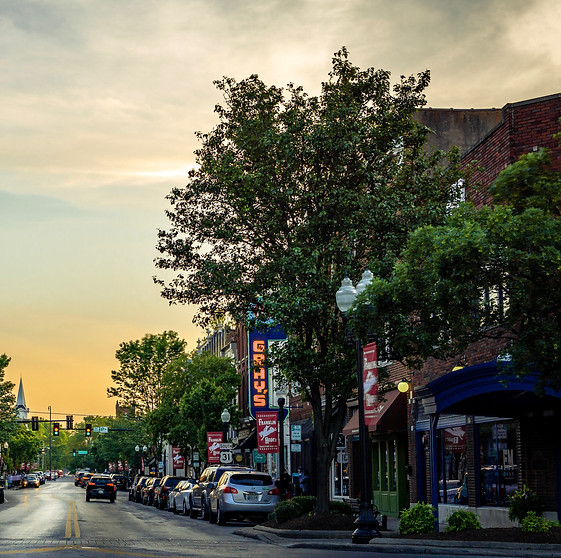
Interconnected
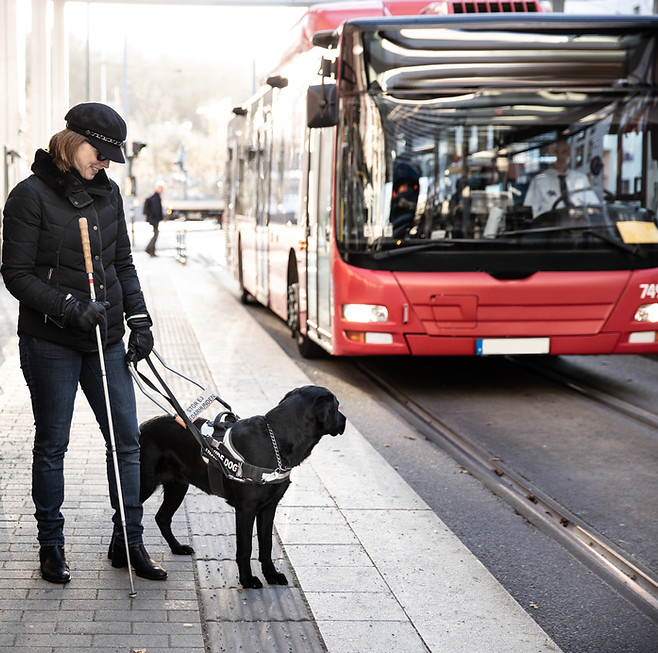
Inclusive and Accessible
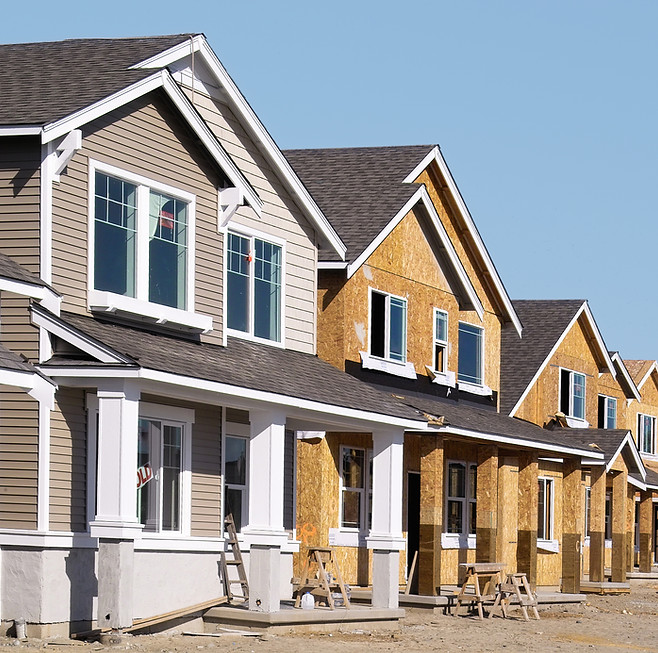
Affordable Housing

Parks & Natural Areas

Protected Land & Farms

Climate Resilience
Strategies for Thriving Communities
Turn state land-use strategies into enforceable policy.
Better balance authority between the state and counties.
Coordinate funding across programs and agencies.
Leverage cross-sector collaboration to deliver results.
Actions
1
Priority 1:
State Strategies
- Give State Strategies the Force of Law
- Integrate Health Goals
- Strengthen Office of State Planning Coordination’s authority
- Adopt further natural resources protections statewide
2
Priority 2:
Climate and Conservation
- Improve Open Space and Agricultural Land Preservation Programs
- Develop a Climate Adaptation Strategy
- Adopt a Statewide Building Code
- Create a Statewide Climate Adaptation Fund
3
Priority 3:
Community Design
- Research Creative Funding Strategies
- Focus growth in Levels 1 and 2 with a focus on areas that have/are ripe for transit, bike/ped infrastructure, infill, and similar factors
- Create mixed income, mixed ability, and mixed use communities in levels 1 and 2
- Streamline permitting and use as an incentive specifically for growth in appropriate places
- Create well-designed, healthy, and safe communities with a balance of jobs, diverse and affordable housing types, services, and amenities, supported by multiple transportation options.
- Identify and protect areas that should not be developed, including farmland, riparian corridors, floodplains, forests, wetlands, natural areas, historic assets, scenic views, and wildlife habitat
bottom of page